

For many women, pain becomes something you learn to tolerate. Over time, pain can become more challenging to ignore. If this sounds familiar, you may be dealing with more than a painful period. It may be endometriosis, which is a medical condition that deserves careful attention and structured care.
What is endometriosis?
Endometriosis happens when tissue similar to the lining of the uterus grows outside the uterus. These growths respond to hormonal changes during your cycle, which can lead to inflammation, pain, and scarring.
Endometriosis can affect the ovaries, the pelvic lining, the bowel, the bladder, or surrounding structures. Symptoms vary, but some women experience severe pain, while others notice more subtle but persistent changes.
What symptoms should I pay attention to?
Endometriosis often presents through menstrual and cycle-related symptoms, including:
- Severe period pain that interferes with daily activities
- Pelvic pain that extends beyond your menstrual cycle
- Pain during or after intercourse
- Pain with bowel movements or urination during menstruation
- Heavy or irregular periods
- Bloating or digestive discomfort linked to your cycle
- Difficulty falling pregnant
Pain that limits your ability to work, rest, or function normally is a good reason to book an appointment.
How is endometriosis assessed?
There is no single test that immediately confirms the diagnosis of endometriosis. Assessment of endometriosis usually involves several steps, taken over time.
This may include:
- A detailed discussion of your symptoms and cycle patterns
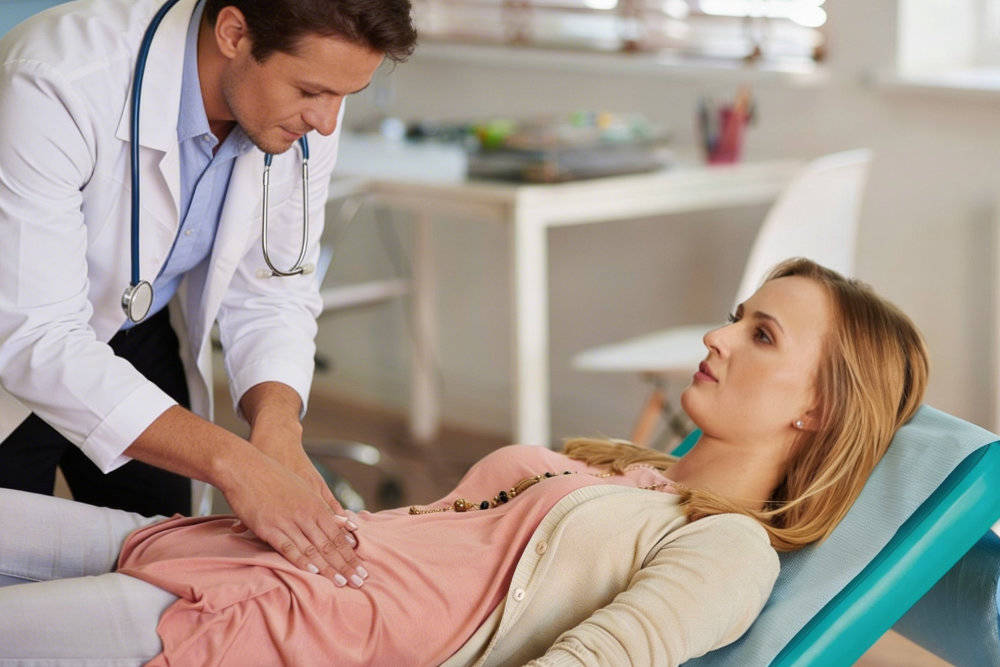
- Clinical examination, where appropriate
- Pelvic imaging, such as ultrasound
- Minimally invasive surgery in selected cases
The goal is to understand what you are experiencing and to rule out other causes of pelvic pain before moving forward.
What treatment options are available?
Management depends on your symptoms, life stage, and reproductive goals. Treatment focuses on reducing pain, managing inflammation, and protecting long-term health.
Options may include:
- Hormonal therapy to regulate or suppress the menstrual cycle
- Medication aimed at pain and inflammation control
- Surgical treatment is recommended when symptoms persist or complications arise
Ongoing review is often important, as symptoms and needs change over time.
Endometriosis care in Malmesbury
If you are seeking guidance from an OBGYN in Malmesbury, Dr Gareth Goldman offers assessment and management of endometriosis in a calm and supportive clinical setting.
You deserve clear answers, steady guidance, and care that takes your experience seriously.
Contact us today.